

How to start your career in architecture sets the stage for this enthralling narrative, offering readers a glimpse into a story that is rich in detail and brimming with originality. From exploring architectural styles to building a strong portfolio, this guide covers all aspects of embarking on a successful career in architecture.
Research the Field
To start your career in architecture, it is essential to research the field thoroughly. This involves identifying key architectural styles and movements throughout history, exploring famous architects and their significant works, and understanding the role of architecture in society and culture.
Key Architectural Styles and Movements
- Classical Architecture: Characterized by symmetry, proportion, and use of columns.
- Gothic Architecture: Known for pointed arches, ribbed vaults, and flying buttresses.
- Modern Architecture: Emphasizes functionality, simplicity, and use of new materials like steel and glass.
Famous Architects and Their Works
- Frank Lloyd Wright: Known for the Fallingwater house and the Guggenheim Museum.
- Zaha Hadid: Recognized for the Heydar Aliyev Center and the Guangzhou Opera House.
- Le Corbusier: Notable for the Villa Savoye and the Unité d'Habitation.
Role of Architecture in Society and Culture
Architecture plays a crucial role in shaping our environment, influencing how we interact with spaces, and reflecting the values and beliefs of a society. It can evoke emotions, preserve history, and contribute to sustainable development.
Education and Training
Becoming an architect requires a combination of education, training, and practical experience. Let's delve into the typical educational path, different types of architecture degrees, and the importance of internships in this field.
Typical Educational Path
To become an architect, individuals usually start with a Bachelor's degree in architecture, which typically takes around 4-5 years to complete. This undergraduate program provides a foundation in architectural theory, design, and technical skills. After completing the Bachelor's degree, many aspiring architects pursue a Master's degree in architecture, which offers more specialized knowledge and may include a focus on a particular area of architecture, such as sustainable design or urban planning.
Types of Architecture Degrees
Bachelor's Degree
Provides a fundamental understanding of architecture and prepares students for entry-level positions in the field.
Master's Degree
Offers advanced knowledge and specialization in specific areas of architecture, enhancing career opportunities and potential for higher salaries.
Ph.D.
Geared towards research and academia, allowing individuals to delve deeper into architectural theory and contribute to the field through scholarly work.
Importance of Internships and Practical Experience
Internships and practical experience are crucial for aspiring architects to gain real-world exposure and apply their knowledge in professional settings. These opportunities allow students to work on actual projects, collaborate with experienced architects, and build a portfolio that showcases their skills to potential employers.
Additionally, internships can often lead to full-time employment upon graduation, providing a valuable stepping stone into the architecture industry.
Building a Portfolio
Creating a strong portfolio is crucial for aspiring architects as it serves as a visual representation of their skills, creativity, and abilities. A well-crafted portfolio can showcase a designer's unique style and talent, setting them apart from other candidates in the competitive field of architecture.
The Importance of a Strong Portfolio
A strong portfolio can make a lasting impression on potential employers or clients, demonstrating your design sensibility, problem-solving skills, and attention to detail. It provides a glimpse into your thought process, design approach, and ability to communicate ideas visually. A well-curated portfolio can open doors to exciting opportunities and projects in the field of architecture.
Tips for Creating a Diverse and Impressive Portfolio
- Include a variety of projects: Showcase a range of projects that highlight your versatility and expertise in different types of design, such as residential, commercial, or institutional.
- Focus on quality over quantity: Select your best work that demonstrates your design skills, creativity, and technical proficiency. Avoid including mediocre or irrelevant projects.
- Provide context: Briefly explain the concept, challenges, and solutions for each project to give viewers insight into your design process and decision-making.
- Organize effectively: Arrange your portfolio in a clear and cohesive manner, with a logical flow that guides viewers through your projects smoothly. Consider creating sections or categories to group similar projects together.
- Showcase your skills: Include drawings, sketches, renderings, models, and photographs that highlight your design abilities and technical expertise. Demonstrate your proficiency in software tools commonly used in architecture.
How to Showcase Design Skills, Creativity, and Technical Abilities in a Portfolio
- Emphasize creativity: Include concept sketches, ideation processes, and design iterations to showcase your creative thinking and problem-solving skills. Highlight your ability to innovate and push boundaries in design.
- Demonstrate technical skills: Present detailed drawings, construction documents, and technical drawings that demonstrate your understanding of building systems, materials, and construction techniques. Showcasing your technical proficiency can instill confidence in potential employers or clients.
- Showcase completed projects: Include photographs of finished projects to demonstrate your ability to translate design concepts into built reality. Highlight any awards, accolades, or recognition received for your work to showcase your credibility and expertise in the field.
Networking and Mentorship

Networking and mentorship play a crucial role in the architecture industry, providing valuable opportunities for growth and advancement. Building a strong professional network and finding a mentor can significantly impact your career in architecture.
Strategies for Networking in Architecture
- Attend industry events, conferences, and workshops to meet professionals in the field.
- Join architecture-related organizations and online forums to connect with like-minded individuals.
- Utilize social media platforms such as LinkedIn to expand your network and showcase your work.
- Collaborate on projects with other architects or firms to establish relationships and gain experience.
Benefits of Having a Mentor
- Receive guidance and advice from someone with more experience in the industry.
- Gain insights into the practical aspects of architecture and the business side of the profession.
- Expand your knowledge and skills through hands-on learning and mentorship.
Finding a Mentor in Architecture
- Reach out to professors, colleagues, or industry professionals who you admire and respect.
- Attend mentorship programs or workshops specifically designed for aspiring architects.
- Be proactive in seeking mentorship opportunities and demonstrate your commitment to growth and learning.
Job Search and Career Path
Starting a career in architecture can lead to a variety of job opportunities and career paths. Here we will explore the typical career progression for architects, the different job roles available in the field, and tips for preparing for job interviews in architecture.
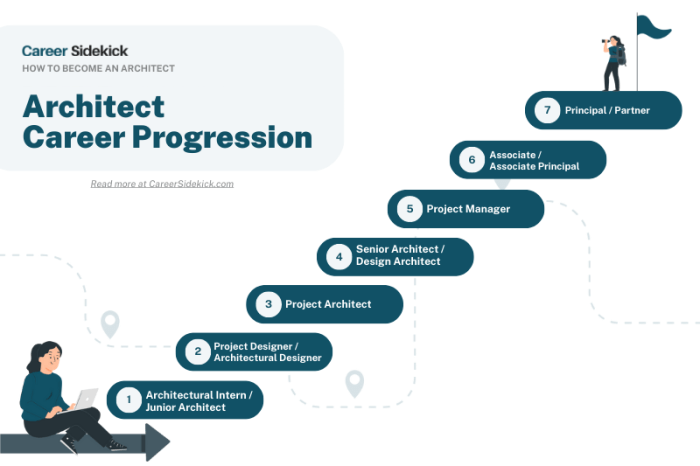
Typical Career Path for Architects
- Intern Architect: Entry-level position where you gain practical experience under the supervision of a licensed architect.
- Project Architect: Responsible for managing and overseeing the design and construction of architectural projects.
- Senior Architect: Experienced professionals who lead design teams, manage projects, and work closely with clients.
- Principal Architect: Top-level position in a firm, involved in strategic planning, business development, and overall project oversight.
Job Opportunities in Architecture
- Architectural Firm: Designing residential, commercial, or public buildings.
- Urban Planning: Creating sustainable and functional urban spaces.
- Construction Management: Overseeing the construction process to ensure design specifications are met.
- Interior Design: Planning and designing interior spaces for aesthetics and functionality.
Tips for Job Interviews in Architecture
- Research the Firm: Understand the firm's projects, style, and values to tailor your responses accordingly.
- Showcase Your Portfolio: Highlight your best work and be prepared to discuss your design process and decision-making.
- Communication Skills: Practice articulating your ideas clearly and confidently during the interview.
- Ask Questions: Show your interest by asking thoughtful questions about the firm, projects, and team dynamics.
Final Thoughts
In conclusion, starting a career in architecture requires a blend of education, practical experience, networking, and a strong portfolio. By following the steps Artikeld in this guide, aspiring architects can pave their way towards a fulfilling and rewarding career in the field.
FAQ
How important is networking for aspiring architects?
Networking is crucial in the architecture industry as it helps in building connections, exploring opportunities, and gaining valuable insights from experienced professionals.
What types of job opportunities are available for architects?
Architects can work in various sectors such as residential, commercial, sustainable design, urban planning, and more, offering a diverse range of career paths.
Why is having a mentor beneficial for architects?
A mentor can provide guidance, support, and valuable advice based on their experience, helping architects navigate challenges and grow in their careers.


