

Exploring the differences between asphalt and metal roofs in terms of long-term durability unveils crucial insights into the world of roofing materials. This comparison sheds light on the factors that influence the lifespan of roofs under various weather conditions, providing homeowners with valuable information for making informed decisions.
The following paragraphs will delve deeper into the material composition, installation processes, and maintenance requirements of both asphalt and metal roofs, offering a comprehensive guide for those considering their durability and performance over time.
Comparing Asphalt vs Metal Roofs for Long-Term Durability
When considering the long-term durability of roofs, two popular options that often come up for comparison are asphalt and metal roofs. Let's delve into the key differences in durability between these two types of roofing materials.
Differences in Durability
Asphalt roofs typically have a lifespan of 20-30 years, while metal roofs can last 40-70 years or even longer with proper maintenance. The main reason for this stark contrast in longevity is the material composition of each type of roof.
- Asphalt shingles are more susceptible to damage from harsh weather conditions such as extreme heat, heavy rain, snow, and high winds. Over time, the granules on asphalt shingles may wear off, leading to deterioration and potential leaks.
- Metal roofs, on the other hand, are known for their durability and resistance to various weather elements. They can withstand strong winds, heavy snow loads, and extreme temperatures without deteriorating as quickly as asphalt roofs.
Factors Contributing to Long-Term Durability
Several factors contribute to the long-term durability of both asphalt and metal roofs:
- Material Quality: The quality of the materials used in the construction of the roof plays a significant role in determining its lifespan. High-quality asphalt shingles and metal panels are more likely to last longer.
- Installation: Proper installation by experienced professionals ensures that the roof is structurally sound and less prone to damage over time.
- Maintenance: Regular inspections and maintenance can help extend the lifespan of both types of roofs. Clearing debris, fixing small issues promptly, and making necessary repairs can prevent major problems down the line.
Impact of Weather Conditions
Weather conditions play a crucial role in determining the longevity of asphalt and metal roofs:
- Asphalt roofs are more susceptible to damage from UV rays, temperature fluctuations, and moisture. Prolonged exposure to these elements can cause asphalt shingles to deteriorate faster.
- Metal roofs are more resilient to weather conditions and can better handle temperature extremes, heavy rain, snow, and high winds. Their durability against harsh weather contributes to their longer lifespan compared to asphalt roofs.
Material Composition
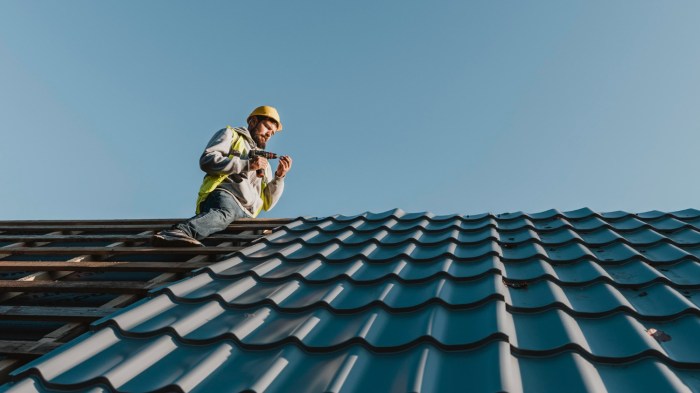
When it comes to the material composition of roofs, both asphalt and metal roofs have distinct characteristics that contribute to their durability and long-term performance.
Asphalt Roofs
Asphalt roofs are primarily made of asphalt shingles, which consist of a fiberglass or organic mat coated with asphalt and mineral granules. The asphalt serves as a waterproofing agent, protecting the underlying structure from moisture and UV rays. The mineral granules provide additional protection against the elements and enhance the roof's fire resistance.
While asphalt roofs are known for their affordability and ease of installation, they are more prone to issues like cracking, blistering, and algae growth over time.
Metal Roofs
Metal roofs are typically made of steel, aluminum, copper, or zinc. These materials are known for their strength, durability, and resistance to extreme weather conditions. Metal roofs can be formed into various shapes and profiles to suit different architectural styles.
The metal panels are coated with protective layers to prevent rust and corrosion, ensuring a long lifespan for the roof. Metal roofs are also lightweight, making them suitable for both residential and commercial buildings.
Resistance to Common Issues
When comparing asphalt and metal roofs, metal roofs have a higher resistance to common issues like rust, corrosion, and cracking. Metal roofs are less likely to deteriorate over time due to their durable material composition and protective coatings. On the other hand, asphalt roofs may be susceptible to cracking, blistering, and algae growth, especially in areas with fluctuating temperatures and high humidity.
Overall, metal roofs tend to have a longer lifespan and require less maintenance compared to asphalt roofs.
Installation Process
When it comes to the installation process of asphalt roofs and metal roofs, it plays a crucial role in determining their long-term durability. Proper installation techniques can significantly impact the lifespan and performance of both roof types.
Asphalt Roofs
- Asphalt roofs are relatively easier and quicker to install compared to metal roofs.
- Installation involves laying down asphalt shingles in layers, starting from the bottom and overlapping each row.
- Improper installation of asphalt roofs can lead to issues such as leaks, wind damage, and premature deterioration.
- It is essential to ensure that the underlying structure and decking are in good condition before installing an asphalt roof to prevent any issues in the future.
Metal Roofs
- The installation process for metal roofs is more intricate and requires specialized knowledge and tools.
- Installation techniques for metal roofs include securing metal panels or tiles to the roof deck with fasteners.
- Proper installation of metal roofs involves attention to details such as fastening methods, flashing, and sealing to prevent water infiltration and ensure longevity.
- Improperly installed metal roofs can result in leaks, corrosion, and structural damage over time.
Importance of Proper Installation
- Proper installation is crucial for both asphalt and metal roofs to ensure their long-term durability.
- A well-installed roof can withstand harsh weather conditions, prevent water damage, and maintain its structural integrity over time.
- Regular inspections and maintenance of the roof post-installation can help identify any issues early and prevent major problems down the line.
- Hiring experienced and reputable roofing contractors for the installation of both asphalt and metal roofs is essential to guarantee a quality job and maximize the lifespan of the roof.
Maintenance Requirements
Regular maintenance is essential for ensuring the durability and longevity of both asphalt and metal roofs. Let's delve into the specific maintenance tasks required for each type of roof and how they contribute to extending their lifespan.
Maintenance Tasks for Asphalt Roofs
- Regular inspections for signs of damage, such as cracks, missing shingles, or algae growth.
- Cleaning gutters and downspouts to prevent water buildup and potential leaks.
- Applying roof coatings or sealants to protect against UV rays and water infiltration.
- Replacing damaged or missing shingles promptly to prevent further deterioration.
Maintenance Tasks for Metal Roofs
- Inspecting metal panels for signs of corrosion, rust, or loose screws.
- Cleaning debris, dirt, and leaves to prevent water ponding and rust formation.
- Applying protective coatings to enhance weather resistance and prevent discoloration.
- Tightening or replacing fasteners to ensure the roof remains secure during high winds.
Regular Maintenance Benefits
- Prevents small issues from escalating into significant problems that can compromise the roof's integrity.
- Extends the lifespan of the roof by addressing potential issues proactively.
- Improves energy efficiency by maintaining the roof's insulation properties and preventing leaks.
- Enhances the curb appeal and overall value of the property by keeping the roof in top condition.
Last Point
In conclusion, understanding the nuances of asphalt and metal roofs in terms of long-term durability is essential for homeowners seeking reliable and resilient roofing solutions. By weighing the pros and cons of each material, individuals can make informed choices that align with their preferences and budget constraints, ensuring the longevity and efficiency of their roofing system.
FAQ Summary
Are metal roofs more prone to rust than asphalt roofs?
While metal roofs can be susceptible to rust over time, proper maintenance and coatings can significantly reduce this risk. Asphalt roofs, on the other hand, are not prone to rust but may experience other issues like algae growth.
Which type of roof is better for withstanding extreme weather conditions?
Metal roofs are generally more resilient in harsh weather conditions like heavy rain and snow, as they offer better resistance to elements. Asphalt roofs may require more frequent inspections and maintenance in extreme weather scenarios.
Is the installation process for metal roofs more complex than asphalt roofs?
Metal roofs often require specialized installation techniques due to their unique characteristics, which can make the process slightly more complex compared to asphalt roofs. However, both types of roofs need to be installed correctly to ensure long-term durability.


