

Exploring the dynamic world of architectural trends for commercial buildings, this introduction sets the stage for a fascinating journey into the innovative designs shaping modern spaces. From sustainable practices to flexible workspaces, we delve into the key elements driving the evolution of commercial architecture.
As we unravel the latest trends and technologies influencing commercial building designs, readers will gain valuable insights into the future of architectural landscapes.
Current Architectural Trends
In recent years, architectural trends for commercial buildings have been evolving rapidly to meet the changing needs of businesses and the environment. Innovative designs and sustainable practices are at the forefront of modern commercial building designs.
Innovative Architectural Designs
Innovative architectural designs in commercial spaces are becoming more prevalent, with architects pushing the boundaries of creativity and functionality. One example is the trend towards mixed-use developments, combining retail, office, and residential spaces in a single building to create a vibrant and dynamic environment.
Sustainability and Green Architecture
Sustainability and green architecture are major influences on modern commercial building designs. Architects are incorporating energy-efficient technologies, green roofs, and natural ventilation systems to reduce environmental impact and operating costs. Buildings are also being designed with materials that are environmentally friendly and promote healthy indoor air quality.
Technology Integration
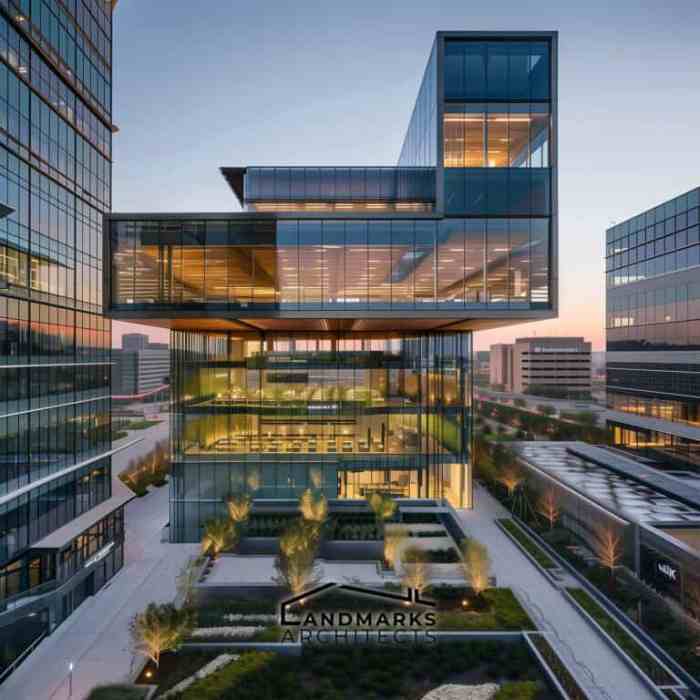
Technology integration in commercial building designs has revolutionized the way architects approach their projects. From smart buildings to IoT applications, technology is reshaping the architectural landscape in various ways.
Impact of Smart Buildings
Smart buildings are a significant trend in commercial architecture, incorporating advanced technology to optimize energy efficiency, security, and overall functionality. These buildings utilize sensors, automated systems, and data analytics to enhance performance and user experience. For example, smart HVAC systems can adjust temperature settings based on occupancy levels, reducing energy consumption.
IoT in Commercial Architecture
The Internet of Things (IoT) is playing a crucial role in shaping commercial architecture by enabling seamless connectivity and automation. IoT devices such as smart lighting systems, occupancy sensors, and security cameras can be integrated into building designs to provide real-time data and improve operational efficiency.
For instance, IoT-enabled access control systems allow for remote monitoring and control of building entrances, enhancing security protocols.
Flexible Workspace Design
In today's dynamic work environment, the concept of flexible and adaptable workspace designs in commercial buildings is gaining popularity. Companies are recognizing the need for spaces that can easily adapt to changing work dynamics and requirements.Open floor plans and modular designs are becoming increasingly common in commercial architecture.
These layouts allow for easy reconfiguration of space to accommodate different work styles and team sizes.
Benefits of Flexible Workspace Design
- Encourages collaboration and creativity among employees.
- Increases efficiency by maximizing the use of space.
- Adaptable to changing technology and work trends.
- Promotes a more inclusive and welcoming work environment.
Biophilic Design
Biophilic design is an innovative approach that incorporates elements of nature into the design of commercial spaces. This design philosophy aims to create environments that mimic nature, promoting a connection between occupants and the natural world.Incorporating biophilic design in commercial buildings has numerous benefits for occupants.
It has been shown to reduce stress levels, increase productivity, and enhance overall well-being. By introducing elements such as natural light, greenery, and natural materials, biophilic design can create a more pleasant and stimulating work environment.
Successful Biophilic Design Implementations
One successful example of biophilic design implementation is the Amazon Spheres in Seattle, Washington. These innovative glass domes house a variety of plant species, creating a lush indoor environment for Amazon employees to work and relax in. The incorporation of natural elements has been shown to boost creativity and improve employee morale.Another example is the Bosco Verticale in Milan, Italy
This pair of residential towers features over 900 trees, providing residents with access to nature in an urban setting. The vertical forest design not only improves air quality but also enhances the quality of life for residents by creating a green oasis in the city.Overall, biophilic design in commercial buildings offers a holistic approach to architecture, merging the built environment with the natural world to create spaces that are not only aesthetically pleasing but also promote the health and well-being of occupants.
Mixed-Use Developments
Mixed-use developments in commercial architecture have become increasingly popular in recent years. These projects combine different functions within a single building or complex, such as residential, retail, office, and entertainment spaces. This trend has been driven by the desire for more efficient use of space, increased convenience for residents and workers, and the promotion of vibrant and diverse urban environments.
Benefits of Mixed-Use Developments
- Increased foot traffic: By combining various functions in one location, mixed-use developments attract more visitors and potential customers, benefiting businesses and creating a lively atmosphere.
- Improved sustainability: Concentrating different activities in a single area reduces the need for long commutes, lowering carbon emissions and promoting eco-friendly practices.
- Enhanced community engagement: Mixed-use projects encourage social interaction and create a sense of community by bringing together people from different backgrounds and lifestyles.
Examples of Successful Mixed-Use Projects
- Waterline Square in New York City: This mixed-use development features luxury residential units, retail spaces, and public amenities along the Hudson River, revitalizing the surrounding neighborhood and providing a vibrant waterfront destination.
- Coal Drops Yard in London: Former industrial buildings were transformed into a mixed-use complex with shops, restaurants, offices, and public spaces, attracting visitors and residents to the King's Cross area.
Sustainable Materials and Construction
Using sustainable materials in commercial building construction is crucial for reducing the environmental impact of these structures. By incorporating eco-friendly practices into architectural trends, we can create buildings that are not only aesthetically pleasing but also environmentally responsible. Green building certifications play a significant role in promoting the use of sustainable materials and construction techniques in commercial architecture.
Importance of Eco-friendly Practices
Embracing eco-friendly practices in architectural design and construction is essential for minimizing the carbon footprint of commercial buildings. Sustainable materials such as reclaimed wood, recycled steel, bamboo, and energy-efficient glass can help reduce energy consumption and promote a healthier indoor environment.
Examples of Green Building Certifications
- LEED (Leadership in Energy and Environmental Design): LEED certification recognizes buildings that meet high standards of sustainability and environmental performance. It encourages the use of sustainable materials, energy-efficient systems, and green building practices.
- BREEAM (Building Research Establishment Environmental Assessment Method): BREEAM certification assesses the environmental performance of buildings based on criteria such as energy efficiency, water conservation, and materials selection.
- Green Star: Green Star certification evaluates the sustainability of commercial buildings in terms of their design, construction, and operation. It promotes the use of eco-friendly materials and technologies to reduce the environmental impact of buildings.
Last Word
In conclusion, the diverse trends discussed in this exploration of architectural design for commercial buildings highlight the ever-changing nature of the industry. From biophilic elements to sustainable materials, the future of commercial architecture holds endless possibilities for innovative and sustainable creations.
Common Queries
How do sustainable materials impact commercial building construction?
Sustainable materials enhance the environmental performance of buildings, reduce energy consumption, and contribute to a healthier indoor environment.
What is the significance of flexible workspace designs in commercial buildings?
Flexible workspaces cater to changing work dynamics, promote collaboration, and allow for easy adaptation to evolving business needs.
What role does technology play in shaping modern commercial building designs?
Technology integration enhances building efficiency, improves occupant comfort, and enables smart building features for optimal functionality.
How does biophilic design benefit occupants in commercial spaces?
Biophilic design connects people with nature, reduces stress, enhances creativity, and improves overall well-being in commercial environments.
What are the advantages of mixed-use developments in commercial architecture?
Mixed-use developments promote vibrant communities, optimize land use, and offer convenience by combining various functions within a single location.


