

Exploring the realm of low-maintenance exterior cladding options for homes, this introduction sets the stage for a deep dive into materials, installation, and maintenance considerations. With a focus on practicality and durability, readers are in for an informative ride through the world of home exteriors.
As we navigate through the various types of cladding materials and their unique characteristics, you'll gain insights that can help you make informed decisions for your home.
Low-maintenance exterior cladding options for homes
Low-maintenance exterior cladding is essential for homeowners looking to minimize the time and cost spent on upkeep and maintenance of their homes. By choosing low-maintenance materials, homeowners can enjoy a beautiful exterior without the need for frequent painting, repairs, or cleaning.
Key factors to consider when choosing low-maintenance cladding options:
- Material durability: Opt for materials that are known for their longevity and resistance to wear and tear.
- Weather resistance: Choose cladding materials that can withstand various weather conditions, including rain, snow, and UV exposure.
- Ease of installation: Select cladding options that are easy to install, reducing the time and labor required for the installation process.
- Cost-effectiveness: Consider the initial cost of the cladding material as well as long-term maintenance costs to ensure it fits within your budget.
Durability benefits of low-maintenance exterior cladding:
Low-maintenance cladding materials are designed to be durable and long-lasting, providing a protective barrier for your home against external elements. These materials are often resistant to rot, mold, and insect damage, ensuring the longevity of your home's exterior.
Examples of popular low-maintenance cladding materials:
- Vinyl siding: A cost-effective and versatile option that requires minimal maintenance and comes in a variety of colors and styles.
- Fiber cement: Known for its durability and resistance to fire, moisture, and pests, fiber cement is a popular choice for homeowners seeking a low-maintenance cladding option.
- Composite wood: Made from a combination of wood fibers and plastic, composite wood cladding offers the natural look of wood without the maintenance requirements.
Types of low-maintenance exterior cladding materials
Vinyl siding, fiber cement siding, metal cladding, and wood-look cladding alternatives are popular choices for low-maintenance exterior cladding materials. Each option offers unique characteristics and benefits for homeowners looking to enhance the aesthetics and durability of their homes.
Characteristics of vinyl siding as a low-maintenance option
Vinyl siding is known for its durability, low maintenance requirements, and wide range of colors and styles. It is resistant to rot, moisture, and pests, making it a long-lasting option for homeowners. Additionally, vinyl siding is easy to clean and does not require painting, saving time and money on maintenance costs.
Comparison of fiber cement siding with other cladding materials
Fiber cement siding is a versatile option that offers the look of wood without the maintenance requirements. It is durable, fire-resistant, and resistant to rot and pests. Compared to other cladding materials like vinyl and metal, fiber cement siding provides a more natural appearance and can be painted to match the homeowner's preferences.
Eco-friendly aspects of using metal cladding for homes
Metal cladding is a sustainable option for homeowners looking to reduce their environmental impact. It is recyclable, energy-efficient, and can be made from recycled materials. Metal cladding also has a long lifespan, reducing the need for frequent replacements and minimizing waste in the long run.
Aesthetics and maintenance requirements of wood-look cladding alternatives
Wood-look cladding alternatives, such as composite or engineered wood siding, offer the beauty of natural wood without the maintenance challenges. These alternatives are designed to mimic the look of wood while providing increased durability and resistance to rot, pests, and moisture.
Homeowners can enjoy the aesthetic appeal of wood without the need for frequent staining or painting, making it a low-maintenance option for exterior cladding.
Installation and Maintenance Tips
Installing low-maintenance cladding materials can be a straightforward process if done correctly. Here is a step-by-step guide to help you with the installation and maintenance of these materials.
Installation Guide
- Prepare the surface: Ensure the surface where the cladding will be installed is clean, dry, and free of any debris.
- Measure and cut: Take accurate measurements of the area to be clad and cut the materials to the appropriate size.
- Install the materials: Follow the manufacturer's instructions for the specific type of cladding you are using. Use proper tools and techniques for a secure installation.
- Secure the cladding: Make sure the cladding is securely fastened to the wall to prevent any issues in the future.
- Finish and seal: Once the cladding is installed, finish the edges neatly and seal any gaps to ensure water resistance.
Maintenance Best Practices
- Regular cleaning: Depending on the type of cladding material, regular cleaning with water and mild detergent can help maintain its appearance.
- Inspect for damage: Periodically inspect the cladding for any signs of damage or wear and tear. Address any issues promptly to prevent further damage.
- Avoid harsh chemicals: When cleaning the cladding, avoid using harsh chemicals that could damage the material over time.
- Reapply sealant: If your cladding requires sealing, make sure to reapply sealant as needed to maintain its protective properties.
Cost Implications and Common Issues
- Cost of installation: The cost of installing low-maintenance cladding materials can vary depending on the material used and the size of the project. Get quotes from multiple contractors to compare prices.
- Long-term maintenance costs: While low-maintenance cladding requires less upkeep than traditional materials, there may still be costs associated with maintenance over time. Consider these costs when budgeting for your project.
- Common issues and solutions: Some common issues that may arise with low-maintenance cladding include fading, warping, or damage from environmental factors. Consult with a professional to address these issues effectively.
Outcome Summary
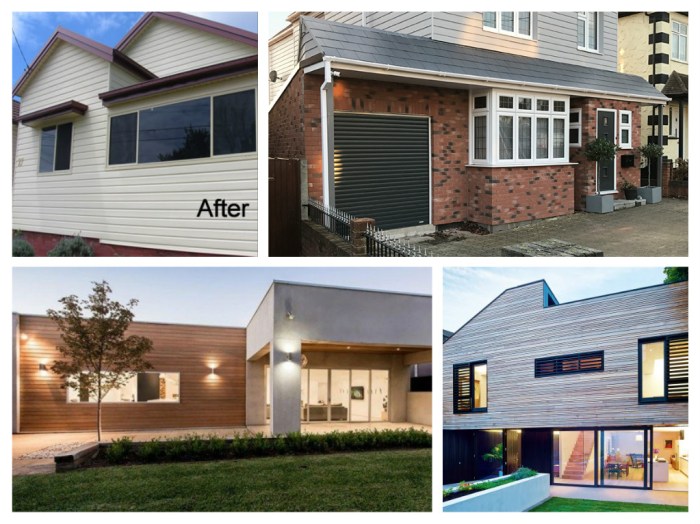
In conclusion, the discussion on low-maintenance exterior cladding options for homes sheds light on the importance of choosing the right materials for long-lasting appeal and functionality. Whether you opt for vinyl siding, fiber cement, metal cladding, or wood-look alternatives, the key is to strike a balance between aesthetics and practicality for a home that stands the test of time.
Q&A
Are low-maintenance cladding materials more expensive than traditional options?
While the initial cost may be higher, the long-term savings in maintenance and upkeep often make low-maintenance cladding materials a cost-effective choice.
Do low-maintenance cladding materials require special cleaning routines?
Most low-maintenance materials require minimal upkeep and can be easily cleaned with soap and water, making them hassle-free for homeowners.
Can low-maintenance cladding materials be painted or customized?
Some materials like fiber cement siding can be painted, while others like vinyl siding come in a variety of colors and finishes, offering customization options.

