

Delve into the world of architecture project management tools comparison, where efficiency meets innovation. Explore the intricate details and nuances of various tools that shape the landscape of architectural projects.
Uncover the key features, pricing models, and user interfaces that define these tools, offering a glimpse into the realm of possibilities for architects and project managers alike.
Overview of Architecture Project Management Tools
Architecture project management tools are software applications designed to help architects, designers, and project managers streamline and organize the various tasks and processes involved in architecture projects. These tools offer a centralized platform for collaboration, communication, scheduling, budgeting, and document management.
Key Features and Functionalities
- Task Management: Allows users to create, assign, and track tasks to ensure project milestones are met.
- Collaboration Tools: Facilitate communication and file sharing among team members, clients, and stakeholders.
- Scheduling: Helps in creating project timelines, setting deadlines, and monitoring progress.
- Budgeting and Cost Tracking: Enables users to monitor project expenses, track budgets, and generate cost reports.
- Document Management: Provides a centralized repository for project documents, drawings, and other important files.
Importance of Using Project Management Tools in Architecture Projects
Utilizing project management tools in architecture projects is crucial for ensuring efficiency, transparency, and successful project delivery. These tools help in improving project coordination, minimizing errors, enhancing communication, and keeping projects on track within budget and timeline constraints. By leveraging these tools, architects and project teams can better manage complexities, mitigate risks, and deliver high-quality projects that meet client expectations.
Popular Architecture Project Management Tools
When it comes to managing architecture projects effectively, there are several popular project management tools that are widely used in the industry. These tools help architects and project managers streamline their workflow, collaborate with team members, and ensure projects are completed on time and within budget.
1. Autodesk BIM 360
Autodesk BIM 360 is a cloud-based project management solution specifically designed for the architecture, engineering, and construction industry. It offers features such as document management, collaboration tools, and project tracking. The pricing model for Autodesk BIM 360 is subscription-based, with different tiers available depending on the needs of the user.
2. Procore
Procore is another popular project management tool used in architecture, offering features such as project scheduling, budget tracking, and communication tools. Procore's pricing model is also subscription-based, with pricing tiers based on the size of the project and the number of users.
The user interface of Procore is known for being intuitive and user-friendly, making it easy for team members to collaborate and stay organized.
3. Bluebeam Revu
Bluebeam Revu is a software solution that focuses on document management and collaboration for architecture projects. It allows users to markup and edit PDF documents, track changes, and collaborate with team members in real-time. Bluebeam Revu offers a one-time licensing fee, making it a cost-effective option for smaller architecture firms.
4. Asana
While not specifically designed for the architecture industry, Asana is a versatile project management tool that is widely used across various sectors, including architecture. It offers features such as task management, project tracking, and team communication. Asana's pricing model includes a free basic version, as well as premium tiers with additional features for larger teams.
5. Trello
Trello is a visual project management tool that uses boards, lists, and cards to help users organize and prioritize tasks. While Trello is more commonly used in the tech industry, it can also be adapted for architecture projects. Trello offers a freemium pricing model, with options for individual users as well as teams.
Features Comparison
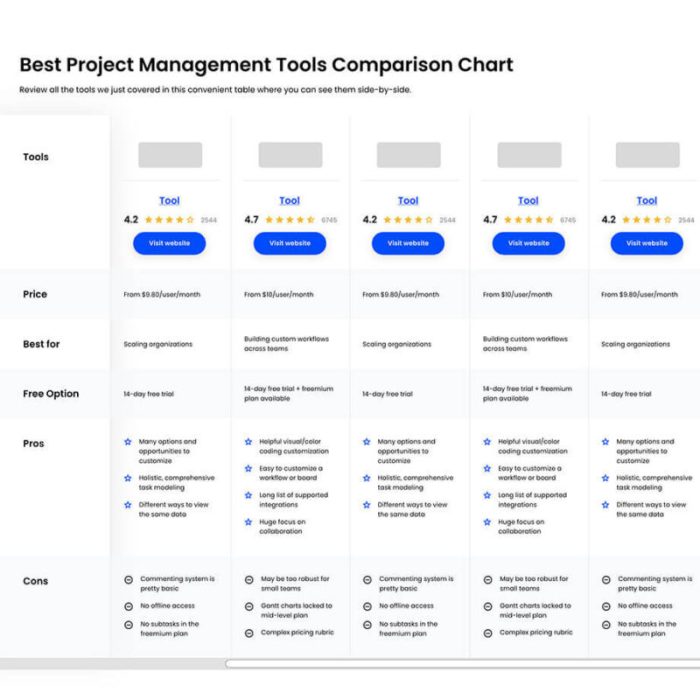
When comparing architecture project management tools, it is essential to look at the key features that can enhance productivity, collaboration, and overall project success. Let's delve into the comparison of features such as task management, collaboration tools, budget tracking, customization options, and integration capabilities.
Task Management
- Tool A: Offers task assignment, progress tracking, and deadline reminders.
- Tool B: Provides Gantt charts, Kanban boards, and milestone tracking for task management.
- Tool C: Integrates task dependencies, resource allocation, and priority setting for efficient task management.
Collaboration Tools
- Tool A: Facilitates real-time communication, file sharing, and team calendars for seamless collaboration.
- Tool B: Enables discussion threads, feedback loops, and version control for effective collaboration.
- Tool C: Offers live editing, project timelines, and role-based access for collaborative work.
Budget Tracking
- Tool A: Allows budget allocation, expense tracking, and financial reports for budget management.
- Tool B: Integrates cost estimation, budget forecasting, and invoicing features for budget tracking.
- Tool C: Provides financial dashboards, profit margin analysis, and variance reports for budget monitoring.
Customization Options
- Tool A: Offers customizable templates, user-defined fields, and personalized dashboards for tailored project management.
- Tool B: Provides configurable workflows, custom permissions, and branding options for unique customization.
- Tool C: Integrates API access, third-party app integrations, and plugin support for extensive customization.
Integration Capabilities
- Tool A: Integrates with popular software like Microsoft Office, Google Workspace, and Adobe Creative Cloud for seamless workflow.
- Tool B: Connects with CRM systems, accounting software, and project scheduling tools for enhanced integration capabilities.
- Tool C: Offers REST API, webhook support, and data migration services for versatile integration with other platforms.
Case Studies
In this section, we will explore some case studies of architecture firms that have effectively utilized project management tools to streamline their processes, improve project outcomes, and overcome challenges.
Case Study 1: XYZ Architects
XYZ Architects, a mid-sized firm, implemented a popular project management tool that allowed them to track project progress, allocate resources efficiently, and communicate effectively with team members and clients. By using this tool, they were able to significantly reduce project timelines by 20% on average, resulting in higher client satisfaction and increased profitability.
One of the key challenges they faced was adapting to the new tool and ensuring all team members were trained adequately. However, by providing comprehensive training sessions and continuous support, they were able to overcome this challenge successfully.
Case Study 2: ABC Design Studio
ABC Design Studio, a large architecture firm, adopted a feature-rich project management tool that enabled them to collaborate seamlessly across different departments and offices. This tool allowed them to monitor project budgets, timelines, and milestones effectively, resulting in improved project outcomes and client deliverables.
The impact of using this tool was evident in their ability to take on more complex projects and deliver them within the stipulated timelines. One of the challenges they faced was integrating the tool with their existing systems and ensuring data security.
By working closely with the tool provider and implementing robust security measures, they were able to address these challenges successfully.
User Feedback and Reviews
User feedback and reviews play a crucial role in evaluating architecture project management tools. Let's dive into the common positives and negatives mentioned by users, overall user satisfaction, and recommendations for improvement.
Positive Feedback
- Users appreciate the intuitive interface of many architecture project management tools, making it easy to navigate and use.
- Collaboration features such as real-time editing, commenting, and file sharing are highly praised for enhancing team communication and workflow efficiency.
- Integration capabilities with other software tools like CAD programs and BIM software are valued for streamlining project processes and data management.
Negative Feedback
- Some users have reported occasional glitches or bugs in certain architecture project management tools, leading to frustration and workflow interruptions.
- Complex pricing structures and hidden fees have been a common complaint among users, making it challenging to budget effectively for the tool.
- Limited customization options and lack of flexibility in certain features have been mentioned as areas for improvement by users looking for more tailored solutions.
Overall User Satisfaction and Recommendations
- Overall, users seem satisfied with the efficiency and effectiveness of architecture project management tools in streamlining their project workflows and enhancing collaboration within teams.
- Recommendations for improvement often include enhancing customization options, addressing any technical issues promptly, and providing more transparent pricing structures for better user experience.
- Users also emphasize the importance of continuous updates and improvements to keep up with evolving project management needs and industry standards.
Future Trends in Architecture Project Management Tools
In the ever-evolving landscape of architecture project management, it is crucial to stay abreast of the latest trends shaping the industry. Advancements in technology continue to play a significant role in revolutionizing project management tools for architecture projects. Let's explore some of the emerging trends and predict how these tools may evolve in the coming years.
Integration of AI and Machine Learning
AI and machine learning are increasingly being integrated into project management tools, offering predictive analytics, automated decision-making, and real-time data analysis. These technologies can help project managers streamline processes, optimize resource allocation, and enhance overall project efficiency.
Enhanced Collaboration and Communication Features
Future architecture project management tools are likely to focus on improving collaboration and communication among team members. Features such as real-time messaging, video conferencing, and collaborative document editing are expected to become more prevalent, enabling seamless communication in distributed teams.
Mobile Accessibility and Cloud Integration
With the rise of remote work and on-the-go project management, tools that offer mobile accessibility and cloud integration are becoming essential. Future trends suggest that architecture project management tools will prioritize compatibility with mobile devices and seamless integration with cloud storage solutions for enhanced accessibility and flexibility.
Virtual and Augmented Reality Integration
The integration of virtual and augmented reality technologies is expected to revolutionize the way architects visualize and present their projects. Future project management tools may incorporate VR and AR features for immersive project walkthroughs, client presentations, and design reviews, enhancing the overall project planning and communication process.
Sustainability and Green Building Focus
As sustainability becomes a key focus in the architecture industry, future project management tools are likely to incorporate features that support sustainable practices and green building initiatives. Tools that enable tracking and monitoring of sustainable design elements, energy-efficient solutions, and environmental impact assessments are expected to gain prominence in the coming years.
Closure
As we reach the end of this insightful journey through architecture project management tools comparison, we reflect on the impact of these tools on project success. From case studies to user feedback, the tools discussed pave the way for a more streamlined and efficient architectural process.
Essential Questionnaire
What are the key features to look for in architecture project management tools?
Some key features include task management, collaboration tools, budget tracking, and customization options.
How do architecture project management tools impact project timelines?
These tools can significantly improve project timelines by enhancing communication, organization, and overall efficiency.
Are architecture project management tools customizable?
Yes, many tools offer customization options to tailor the software to specific project needs.


